Cuban Mojo Beef- Flavorful & Easy Recipe
Cuban Mojo Beef Recipe: Get ready to transport your taste buds straight to the heart of Havana with this incredible Cuban Mojo Beef recipe. If you’ve ever savored the vibrant, zesty flavors of authentic Cuban cuisine, then you know the magic that a good mojo sauce can weave. This dish is a true crowd-pleaser for a reason: it’s bursting with bright citrus, punchy garlic, and savory herbs, all coming together to create a symphony of taste that’s both comforting and exhilarating. What makes our Cuban Mojo Beef truly special is the tender, melt-in-your-mouth beef infused with that iconic mojo marinade, promising a flavor explosion with every single bite. It’s the perfect centerpiece for a family dinner or a vibrant gathering with friends, and I can’t wait for you to try it!
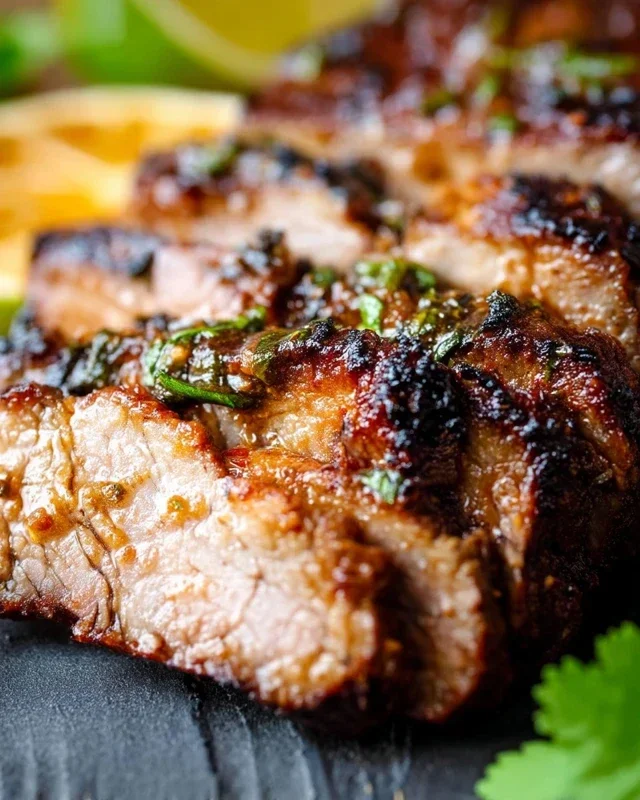
Cuban Mojo Beef Recipe
There’s something truly magical about Cuban flavors, and this Mojo Beef recipe is a testament to that. The vibrant marinade, a zesty blend of citrus and herbs, works its magic on a beautiful cut of beef, transforming it into a tender, flavorful masterpiece. It’s the kind of dish that transports you straight to a sunny Havana evening, even if you’re in your own kitchen. I love making this for gatherings because it’s impressive yet surprisingly straightforward, and the aroma that fills the house while it cooks is simply non-intoxicating.
This recipe is all about building layers of flavor. The citrus juices tenderize the meat, while the garlic, cumin, and herbs create that signature tangy, savory, and slightly herbaceous profile that defines Cuban mojo. We’re using a boneless beef shoulder, which is perfect for slow cooking as it has enough marbling to stay incredibly moist and tender.
Ingredients:
Marinating the Beef
The first crucial step to unlocking the incredible flavor of this Mojo Beef is the marinade. In a large bowl, or a sturdy zip-top bag, combine the extra-virgin extract olive oil, orange zest, fresh orange juice, and fresh lime juice. The combination of orange and lime juice is key; it provides a perfect balance of sweetness and tangin extractess, which is essential for authentic mojo.
Next, add in all the aromatic components: the finely chopped cilantro and mint. Don’t skimp on these fresh herbs; they contribute a bright, fresh counterpoint to the richness of the beef. Then, stir in the minced garlic. Using fresh garlic is non-negotiable here; the pre-minced stuff just doesn’t have the same punch. Add the minced oregano (or dried if that’s what you have on hand – just be sure to rub it between your fingers to release its oils before adding) and the ground cumin. Cumin adds that warm, earthy depth that is so characteristic of Latin American cuisine.
Season generously with kosher salt and freshly ground black pepper. This is your chance to build the foundational seasoning. Remember, the beef will absorb these flavors over time, so don’t be shy. Whisk everything together until well combined.
Now, it’s time to introduce the star of the show: the boneless beef shoulder. Place the beef into the marinade, ensuring it’s fully submerged. If you’re using a zip-top bag, press out as much air as possible before sealing. If you’re using a bowl, cover it tightly with plastic wrap. Refrigerate the beef and let it marinate for at least 4 hours, or ideally, overnight. The longer it marinates, the more tender and flavorful it will become. I often prepare this the night before a weekend meal, and it’s always a crowd-pleaser. The marinating process is where the magic truly begin extracts.
Cooking the Mojo Beef
Once your beef has had ample time to soak up all those incredible mojo flavors, it’s time to cook it. You have a couple of excellent options here, depending on your preference and equipment: oven roasting or slow cooking.
Oven Roasting Method
Preheat your oven to 325 degrees Fahrenheit (160 degrees Celsius). Remove the beef from the marinade, letting any excess drip back into the bowl. Reserve the marinade; we’ll use some of it to baste the beef as it cooks. Place the beef in a roasting pan. You can sear it first in a hot pan with a little oil for a nice crust, but it’s not strictly necessary for this recipe as the slow roasting will create plenty of tenderization.
Roast the beef for approximately 2.5 to 3 hours, or until it reaches an internal temperature of 180-190 degrees Fahrenheit (82-88 degrees Celsius) for tender, shreddable beef, or 135-140 degrees Fahrenheit (57-60 degrees Celsius) for medium-rare if you prefer to slice it. Baste the beef with the reserved marinade every 30-45 minutes. This basting not only adds flavor but also helps to keep the surface moist. If the marinade starts to look a little thin from evaporation, you can add a splash of beef broth or water to it.
Slow Cooker Method
If you’re using a slow cooker, this method is even more hands-off. Place the marinated beef directly into your slow cooker. Pour about half of the reserved marinade over the beef. Cover and cook on low for 8-10 hours, or on high for 4-6 hours, until the beef is fork-tender and shreds easily. This method is fantastic for busy days, as you can simply set it and forget it.
Resting and Serving
Regardless of the cooking method you choose, resting the beef is an absolutely critical step. Once the beef has reached your desired temperature and is tender, remove it from the oven or slow cooker and place it on a clean cutting board. Tent it loosely with foil and let it rest for at least 15-20 minutes. This resting period allows the juices to redistribute throughout the meat, ensuring it stays incredibly moist and tender when you slice or shred it. If you skip this step, all those delicious juices will run out onto the plate, leaving your beef dry.
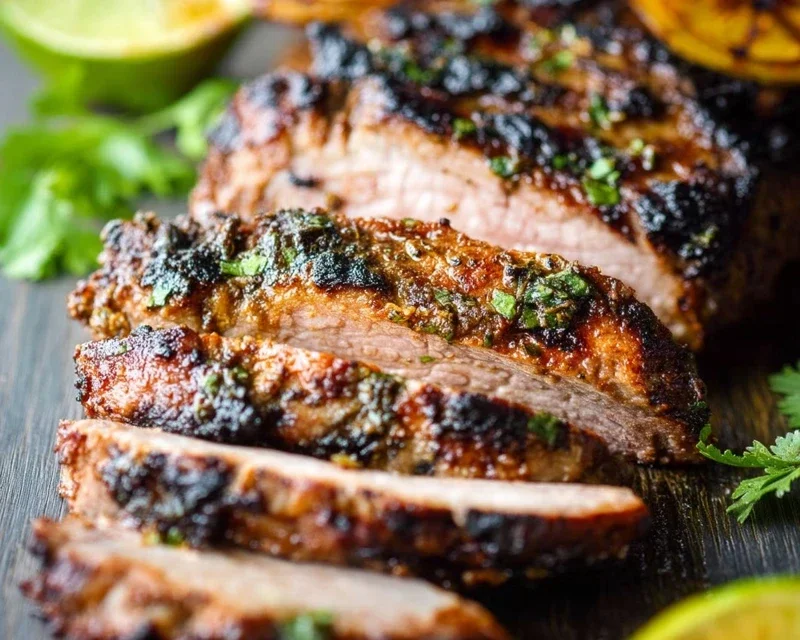
After resting, you can either slice the beef against the grain for a beautiful presentation or shred it using two forks. If you want to make a delicious pan sauce, you can deglaze the roasting pan or the slow cooker insert with a little white grape juice or beef broth, scraping up any browned bits from the bottom, and then reducing it to a slightly thicker consistency. You can also add a little of the reserved marinade to this sauce for an extra flavor boost.
This Cuban Mojo Beef is incredibly versatile. It’s fantastic served with fluffy white rice, black beans, fried plantains, and a fresh salad. You can also use the shredded beef in tacos, sandwiches, or even as a filling for empanadas. Enjoy this taste of Cuba!
Conclusion:
And there you have it – your guide to creating a truly exceptional Cuban Mojo Beef! This recipe is fantastic because it delivers a symphony of tangy, garlicky, and herbaceous flavors that will transport your taste buds straight to the heart of Cuba. The slow-cooking method ensures the beef is incredibly tender and infused with every delicious element of the mojo marinade, making it a remarkably satisfying and memorable meal. I truly encourage you to give this Cuban Mojo Beef recipe a try; I’m confident you’ll be delighted by the results!
What makes this dish so versatile is its adaptability. It’s absolutely delicious served as traditional shredded beef piled high in warm Cuban bread sandwiches with plantain chips. However, it also shines alongside fluffy white rice and black beans, or even incorporated into vibrant rice bowls with your favorite toppings. For a twist, consider adding a pinch of cumin to the marinade for a deeper earthy note, or incorporating a touch of orange zest for an extra layer of citrus brightness. Don’t be afraid to experiment and make it your own!
Frequently Asked Questions:
Can I make this Cuban Mojo Beef ahead of time?
Absolutely! The flavors actually deepen and meld beautifully when made a day in advance. Simply store the cooked and cooled beef in its marinade in an airtight container in the refrigerator. Reheat gently on the stovetop or in the oven until warmed through.
What cut of beef is best for this recipe?
For the most tender and flavorful results, I recommend using cuts like chuck roast, brisket, or even skirt steak. These cuts have enough marbling to remain moist and succulent throughout the slow cooking process.
How long does it typically take to cook the beef?
The cooking time will vary depending on your chosen method (oven, slow cooker, or pressure cooker). Generally, expect anywhere from 3-4 hours in a slow cooker on low, or around 1.5-2 hours in a pressure cooker. The goal is for the beef to be fork-tender and easily shreddable.
Cuban Mojo Beef Recipe
A vibrant and flavorful Cuban-inspired beef roast marinated in a zesty citrus and herb mojo sauce.
Ingredients
-
3/4 cup extra-virgin olive oil
-
1 tablespoon orange zest
-
3/4 cup fresh orange juice
-
1/2 cup fresh lime juice
-
1 cup cilantro (finely chopped)
-
1/4 cup lightly packed mint leaves (finely chopped)
-
8 garlic cloves (minced)
-
1 tablespoon minced oregano
-
2 teaspoons ground cumin
-
Kosher salt and pepper to taste
-
3 & 1/2 pounds boneless beef shoulder (in one piece)
Instructions
-
Step 1
In a large bowl or resealable plastic bag, combine olive oil, orange zest, fresh orange juice, fresh lime juice, chopped cilantro, chopped mint leaves, minced garlic, minced oregano, ground cumin, salt, and pepper. Whisk or shake to combine. -
Step 2
Add the boneless beef shoulder to the marinade, ensuring it is fully coated. Marinate in the refrigerator for at least 4 hours, or preferably overnight, turning the beef occasionally. -
Step 3
Preheat your oven to 325°F (160°C). -
Step 4
Remove the beef from the marinade, letting excess drip off. Reserve the marinade. -
Step 5
Place the beef in a roasting pan. Pour the reserved marinade over the beef. -
Step 6
Roast for approximately 2.5 to 3 hours, or until the internal temperature reaches 145°F (63°C) for medium-rare or 160°F (71°C) for medium. Baste the beef with the pan juices every 30-45 minutes. -
Step 7
Once cooked, remove the beef from the oven and let it rest for 15-20 minutes before slicing against the grain.
Important Information
Nutrition Facts (Per Serving)
It is important to consider this information as approximate and not to use it as definitive health advice.
Allergy Information
Please check ingredients for potential allergens and consult a health professional if in doubt.