Easy Chimichurri Sauce – Fresh Herb Dip
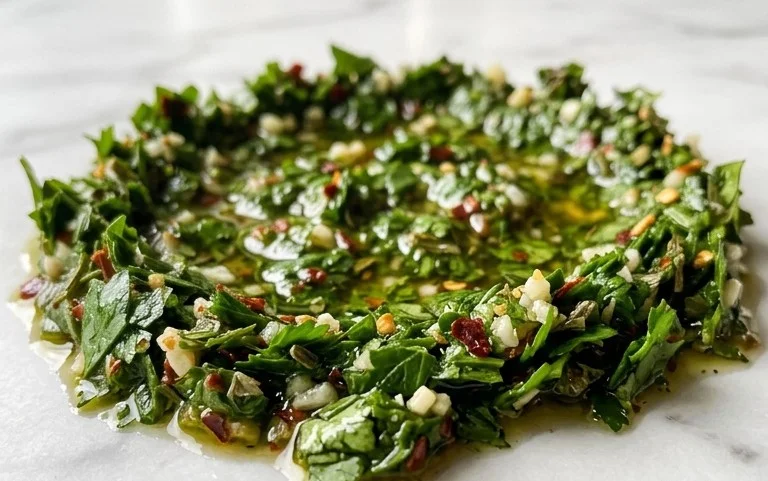
Chimichurri sauce is more than just a condiment; it’s an experience. This vibrant, herbaceous sauce, origin extractating from Argentina and Uruguay, has taken the culinary world by storm, and for good reason. Its bright, zesty flavor profile is utterly addictive, transforming even the simplest grilled steak into a feast for the senses. What makes chimichurri so special? It’s the perfect balance of fresh parsley and oregano, the piquant kick of garlic and red pepper flakes, and the smooth richness of olive oil, all brought together with a tang of vinegar. It’s incredibly versatile too – fantastic with grilled meats, chicken, fish, and even roasted vegetables. I find myself reaching for this chimichurri recipe again and again, not just for its incredible taste, but for how effortlessly it elevates any meal. Get ready to fall in love with this Argentinian gem!
Chimichurri Sauce
Ah, chimichurri! This vibrant, herbaceous sauce is a culinary revelation, a burst of fresh flavor that can elevate everything from grilled meats to roasted vegetables. Hailing from Argentina and Uruguay, it’s traditionally served with grilled steak, but its versatility knows no bounds. I’ve found it to be a fantastic accompaniment to chicken, fish, and even as a zesty salad dressing. Making it at home is surprisingly simple, and the results are so much fresher and more flavorful than anything you can buy in a jar. The beauty of chimichurri lies in its uncooked nature, allowing the bright, pungent notes of fresh herbs and garlic to shine through. It’s a quick recipe, meaning you can whip up a batch in minutes and have this delightful condiment ready to go. Let’s get started on creating this flavorful masterpiece.
Ingredients:
*It’s crucial to use fresh, vibrant parsley. Look for bright green leaves and a strong, fresh aroma. Avoid any that look wilted or bruised. For the best texture and flavor, I like to use flat-leaf (Italian) parsley as it has a more robust taste than curly parsley. Ensure your parsley is well-packed to accurately measure the quantity.
**The quality of your olive oil will significantly impact the final flavor of the chimichurri. I recommend using a good quality extra virgin extract olive oil. Its fruity notes will complement the herbs beautifully.
Preparing Your Aromatics and Herbs
Before we dive into mixing, let’s get our ingredients ready. This step is all about precision and ensuring all the flavors meld together harmoniously.
Step 1: Finely Chop the Herbs
Begin extract by very finely chopping your fresh parsley and cilantro. The goal here is to mince them into tiny pieces. You can do this with a sharp knife on a cutting board, or for an even finer texture that disperses better, you can use a food processor. If you’re using a food processor, pulse the herbs in short bursts until they are finely chopped but not pureed into a paste. This fine chop ensures that each bite of chimichurri delivers a balanced herbaceous flavor. Remember to pack your herbs tightly into your measuring cups before chopping for the most accurate measurement.
Step 2: Prepare the Onion and Garlic
Next, we’ll finely mince the red onion (or shallot) and the garlic cloves. Just like the herbs, a very fine mince is key. If you’re not a fan of raw onion’s bite, you can soak the finely minced red onion in cold water for about 10 minutes, then drain it thoroughly before adding it to the sauce. This will mellow its flavor slightly. For the garlic, you can mince it by hand with a knife or use a garlic press for ease. Be generous with the garlic, as it provides a pungent kick that is characteristic of a good chimichurri.
Assembling the Chimichurri
Now that all our components are prepped, it’s time to bring them all together. This is where the magic happens and the vibrant colors and aromas start to mingle.
Step 3: Combine Dry Ingredients and Aromatics
In a medium-sized bowl, combine the finely chopped parsley, cilantro, and oregano. Add the minced red onion (or shallot) and the minced garlic. If you are using dried oregano, add it now. Sprinkle in the salt and the red pepper flakes, if you are using them. Give everything a good stir with a spoon to distribute the ingredients evenly. This initial mix of the dry and aromatic components forms the flavor base of our chimichurri.
Step 4: Add the Vinegars and Olive Oil
Now it’s time to introduce the liquids. Pour in the red grape juice vinegar and the fresh lemon juice. Whisk these into the herb and aromatic mixture until everything is well combined. The acidity from the vinegars and lemon juice will begin extract to “cook” the garlic and onion slightly, mellowing their sharpness and allowing their flavors to meld with the herbs. Then, slowly drizzle in the olive oil while whisking continuously. This emulsification process is important for creating a well-balanced sauce. You’re aiming for a sauce that is not too oily, but has a lovely, slightly thickened consistency.
Step 5: Taste and Adjust Seasoning
This is arguably the most important step: tasting and adjusting! Once everything is combined, give your chimichurri a good taste. Does it need more salt? Perhaps a bit more acidity from the vinegar or lemon juice? Do you want a spicier kick from the red pepper flakes? Chimichurri is all about personal preference, so don’t be afraid to tweak it until it’s perfect for your palate. Remember that the flavors will continue to meld as the sauce sits, so a slight adjustment now can make a big difference later. If the sauce seems a bit too thick, you can add a tablespoon or two more of olive oil or even a touch more vinegar.
Once you’re happy with the flavor profile, your chimichurri is ready to be enjoyed. For the best flavor, I like to let it sit for at least 30 minutes at room temperature before serving, allowing all the flavors to truly marry. You can also make it a day ahead and store it in an airtight container in the refrigerator. Just bring it to room temperature before serving, as the olive oil can solidify slightly when chilled. This vibrant, zesty sauce is a game-changer for any dish!
Conclusion:
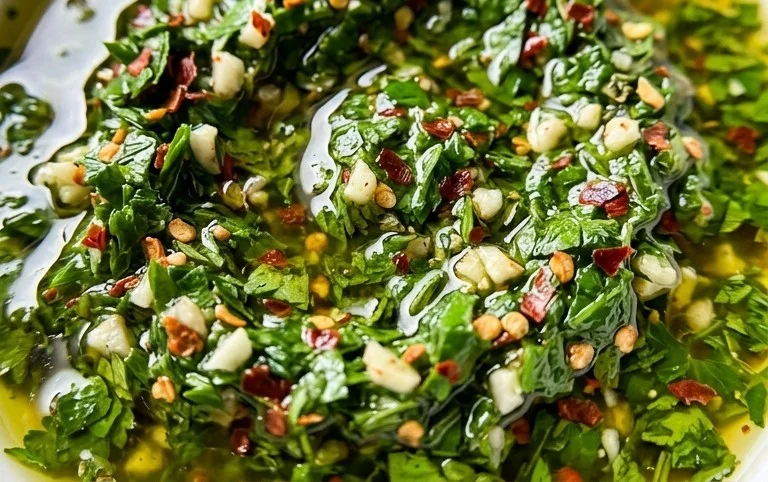
And there you have it! Crafting your own vibrant and flavorful chimichurri sauce is a remarkably simple yet incredibly rewarding culinary adventure. The beauty of this Argentinean classic lies in its fresh, zesty profile, achieved with just a few key ingredients. It’s the perfect way to elevate grilled meats, roasted vegetables, or even to add a punch of brightness to sandwiches and dips. Its versatility is truly astounding, and I truly encourage you to give this recipe a try – you won’t regret it!
Beyond its use with steak, remember this sauce is fantastic with chicken, fish, lamb, and even hearty vegetarian dishes. Don’t be afraid to experiment! Try adding a pinch of red pepper flakes for a little heat, or substituting some of the parsley with cilantro for a different herbaceous note. You can also adjust the garlic and vinegar to suit your personal preference. So, go forth and create your perfect batch of chimichurri – it’s ready to become a staple in your kitchen.
Frequently Asked Questions:
How should I store my chimichurri sauce?
You can store your homemade chimichurri sauce in an airtight container in the refrigerator for up to a week. The flavors will actually meld and deepen over time, making it even more delicious!
Can I make chimichurri ahead of time?
Absolutely! In fact, making it a few hours or even a day in advance is highly recommended. This allows the herbs and garlic to marinate in the vinegar and olive oil, resulting in a more complex and integrated flavor profile.
What if I don’t have fresh oregano?
While fresh is always best for chimichurri, you can substitute dried oregano. Use about 1 teaspoon of dried oregano for every tablespoon of fresh. However, be aware that the flavor will be less vibrant.
Chimichurri Sauce
A vibrant and herbaceous Argentinian sauce, perfect for grilled meats or as a salad dressing.
Ingredients
-
1 1/2 cups well packed (42g) fresh parsley
-
1/2 cup well packed (20g) fresh cilantro
-
1/4 cup (9g) fresh oregano or 1 tsp dried
-
1/4 small red onion or one small shallot
-
3 garlic cloves
-
3 Tbsp red grape juice vinegar
-
2 Tbsp fresh lemon juice
-
1/2 tsp salt, (then more to taste)
-
1/4 tsp red pepper flakes ((optional, more or less to taste))
-
3/4 cup olive oil
Instructions
-
Step 1
Finely chop the parsley, cilantro, oregano (if using fresh), red onion (or shallot), and garlic. You can do this by hand or in a food processor, pulsing until finely minced but not pureed. -
Step 2
In a medium bowl, combine the chopped herbs, onion/shallot, and garlic. -
Step 3
Add the red grape juice vinegar, fresh lemon juice, salt, and red pepper flakes (if using) to the bowl. -
Step 4
Whisk everything together until well combined. -
Step 5
Slowly drizzle in the olive oil while whisking continuously until the sauce emulsifies and is well incorporated. -
Step 6
Taste and adjust seasoning with more salt or red pepper flakes as needed. -
Step 7
For best flavor, let the chimichurri sauce sit for at least 30 minutes at room temperature or refrigerate for longer to allow the flavors to meld.
Important Information
Nutrition Facts (Per Serving)
It is important to consider this information as approximate and not to use it as definitive health advice.
Allergy Information
Please check ingredients for potential allergens and consult a health professional if in doubt.