French Macaron Recipe – Perfect Sweet Treats
French Macaron Recipe: A Delicate Dance of Sweetness and Sophistication. Ah, the French macaron. Just the name conjures images of Parisian patisseries, vibrant colors, and an almost ethereal delicacy. If you’ve ever found yourself gazing longin extractgly at those perfectly formed, jewel-toned cookies, dreaming of their melt-in-your-mouth texture and exquisite flavor, then you’re in the right place. We’re diving headfirst into the art of creating your very own French macaron recipe, transforming simple ingredients into little clouds of bliss. What is it about these petite meringue sandwiches that captivates us so? It’s the exquisite balance: the crisp shell that gives way to a chewy interior, all cradled by a luscious filling. This isn’t just a cookie; it’s an experience, a tiny indulgence that feels both elegant and incredibly rewarding to master. Get ready to embark on a delicious adventure as we unravel the secrets to a perfect French macaron recipe.
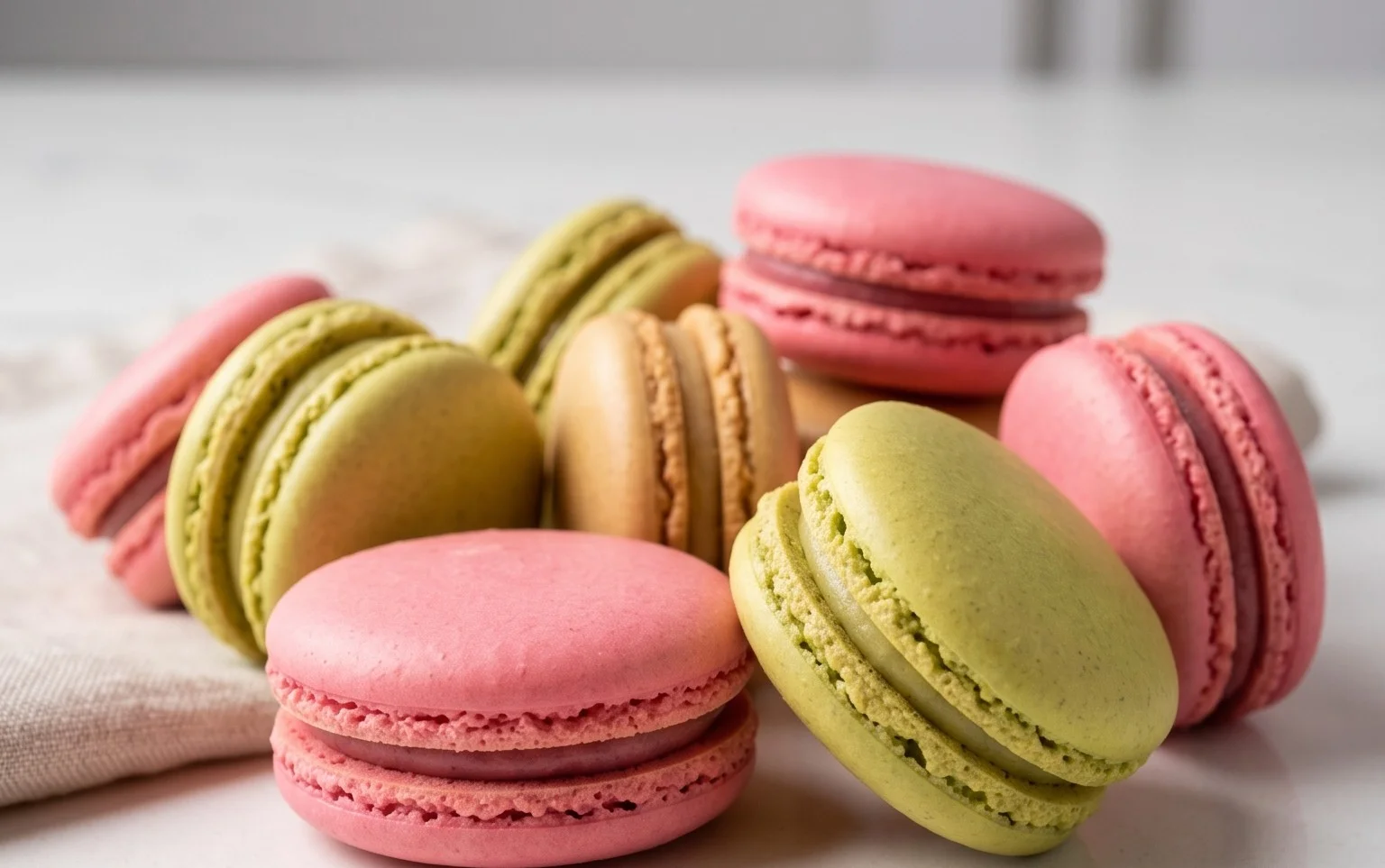
French Macaron Recipe
The French macaron, a delicate meringue-based confection sandwiched with a flavorful filling, is a true showstopper. While they may seem intimidating, with a little patience and precision, you can achieve beautifully smooth, perfectly domed macarons right in your own kitchen. The key lies in understanding the science behind the meringue and the importance of accurate measurements. This recipe breaks down the process into manageable steps, empowering you to create these elegant treats.
Ingredients:
Preparation and Mixing
This initial stage is crucial for setting the foundation for successful macarons. Accuracy is paramount here.
Baking and Assembling
The final steps involve shaping, baking, and filling your beautiful macarons.
Enjoy your homemade French macarons!
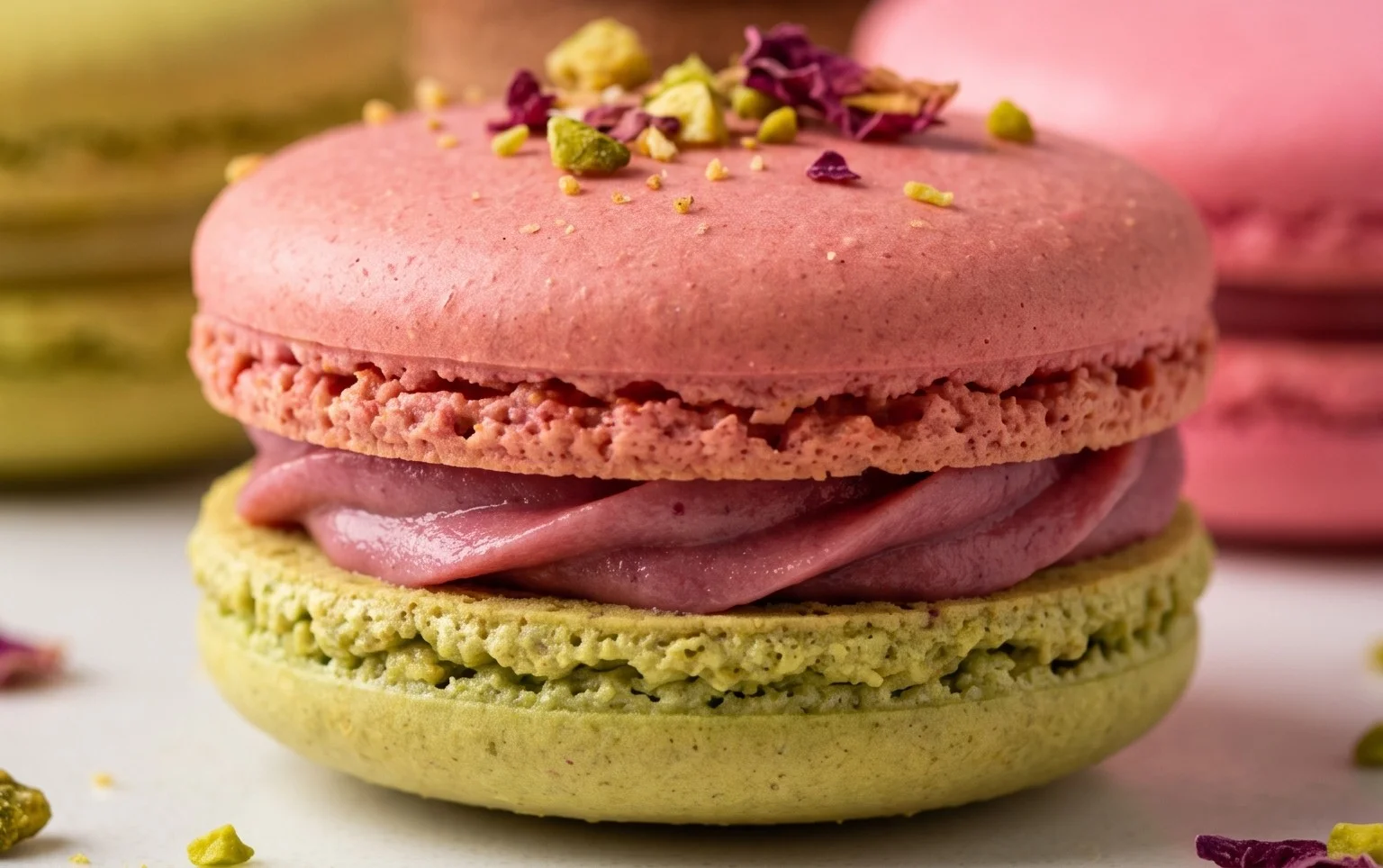
Conclusion:
You’ve reached the end of our journey into the delightful world of French macarons! I hope this comprehensive guide has demystified the process and inspired you to conquer these beautiful, delicate cookies. What makes this French macaron recipe truly great is its balance of classic technique with approachable instructions, allowing home bakers to achieve those iconic smooth shells and satisfyingly chewy interiors. They are perfect for impressing guests, celebrating special occasions, or simply treating yourself to something truly special. Think of them as edible jewels for your next tea party, elegant additions to a dessert table, or a thoughtful homemade gift.
Don’t be afraid to experiment with flavors! Once you’ve mastered the basic shell, the possibilities are endless. Consider vibrant fruit fillings like raspberry or passion fruit, decadent chocolate ganaches, or even subtle floral infusions like lavender or rose. The real magic happens when you find your favorite combination. I truly encourage you to dive in and give this French macaron recipe a try. The initial practice might feel a little daunting, but the reward of a perfectly baked macaron is incredibly satisfying. Happy baking!
Frequently Asked Questions:
Why are my macaron shells cracking?
Cracking often occurs due to overmixing the batter, leading to too much air, or not letting the shells rest sufficiently during the “macaronage” stage. Ensure your meringue is stiff and glossy before folding in the dry ingredients, and don’t overmix until it’s a lava-like consistency. Allow the piped shells to dry until a skin forms before baking.
My macarons are hollow. What did I do wrong?
Hollow macarons can be a sign of an oven that’s too hot, or insufficient mixing of the dry ingredients into the meringue. Ensure your oven temperature is accurately calibrated. Gentle, consistent folding during macaronage is key to developing the “feet” without creating too much air, which can lead to hollowness.
French Macaron Recipe
A classic recipe for delicate French macarons with a crisp shell and chewy interior, perfect for filling with your favorite buttercream.
Ingredients
-
150 grams sifted super-fine almond flour
-
180 grams powdered sugar
-
1/4 teaspoon salt
-
120 grams large egg whites, at room temperature
-
60 grams granulated sugar
-
4 drops liquid-gel food coloring
-
1 teaspoon pure vanilla extract
-
Vanilla Buttercream Frosting or your choice of filling
Instructions
-
Step 1
Combine sifted almond flour, powdered sugar, and salt in a food processor. Pulse until finely ground, then sift through a fine-mesh sieve, discarding any large pieces. Set aside. -
Step 2
In a clean bowl, whip egg whites until foamy. Gradually add granulated sugar while continuing to whip until stiff, glossy peaks form. Stir in food coloring and vanilla extract. -
Step 3
Add the almond flour mixture to the meringue in two additions, folding gently until a thick batter forms that flows like lava when lifted. -
Step 4
Pipe small rounds of batter onto baking sheets lined with parchment paper or silicone mats, leaving space between each macaron. -
Step 5
Tap the baking sheets firmly on the counter to release air bubbles. Let the macarons sit at room temperature for 30-60 minutes until a skin forms. -
Step 6
Bake at 300°F (150°C) for 12-15 minutes, or until the macarons are firm and have developed ‘feet’. -
Step 7
Let the macarons cool completely on the baking sheets before gently removing them. Pair matching macarons and fill with your chosen frosting or filling.
Important Information
Nutrition Facts (Per Serving)
It is important to consider this information as approximate and not to use it as definitive health advice.
Allergy Information
Please check ingredients for potential allergens and consult a health professional if in doubt.