Easy Homemade Bread-Perfect Recipe
Homemade bread is more than just a culinary creation; it’s a sensory experience, a testament to patience, and a source of unparalleled comfort. Think about it: the gentle warmth radiating from a freshly baked loaf, the satisfying crackle of its crust as you slice into it, and that non-intoxicating aroma that fills your entire home. There’s a primal satisfaction in transforming simple ingredients – flour, water, yeast, and salt – into something so wonderfully nourishing and delicious. People have been baking bread for millennia, and its enduring appeal lies in its versatility and its ability to connect us to generations past. What truly makes homemade bread special is the love and intention you infuse into every step. It’s a slow, deliberate process that rewards you with a truly unforgettable taste and texture that no store-bought version can ever replicate. Today, we’re diving deep into the art of crafting your very own masterpiece of homemade bread.
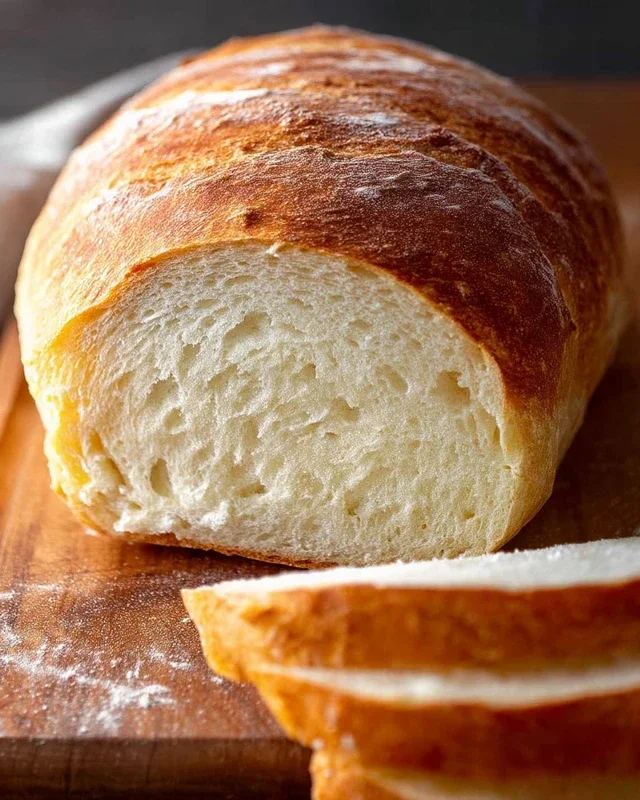
Homemade Bread: The Joy of Baking Your Own
There’s an unparalleled satisfaction that comes from pulling a golden-brown, fragrant loaf of homemade bread from your oven. The aroma alone is enough to transform your kitchen into a cozy sanctuary. Forget those store-bought loaves that often lack soul and flavor. Baking your own bread is surprisingly accessible, and with this straightforward recipe, you’ll be well on your way to creating a staple that will impress your family and friends. It’s a simple process that rewards you with a truly special treat. Let’s get started!
Ingredients:
*A note on flour and yeast: While all-purpose flour works beautifully for a soft, everyday bread, bread flour has a higher protein content which develops more gluten, resulting in a chewier texture and a more robust loaf. Active dry yeast is readily available and reliable. Ensure your yeast is fresh; it should be bubbly and alive when activated.
Getting Started: Activating the Yeast
1. In a large mixing bowl (or the bowl of your stand mixer), combine the warm water and the active dry yeast. If you’re using honey, stir it in now. If you’re opting for sugar, add it here too. Gently stir everything together. The water should feel comfortably warm, not hot, as too much heat can kill the yeast. Think of a warm bath. Let this mixture sit undisturbed for about 5-10 minutes. You’ll know the yeast is active and happy when it becomes foamy and bubbly on the surface. This is a crucial step; if you don’t see any foam, your yeast might be old, and you’ll need to start with fresh yeast.
Building the Dough
2. Once your yeast is happily frothing, it’s time to add the remaining wet ingredients and the salt. Pour in the oil and the salt. Give it another gentle stir to incorporate. Now, begin extract adding the flour, one cup at a time, mixing after each addition. Start with about 4 cups of flour. As you mix, the dough will start to come together, becoming shaggy and difficult to stir. You can continue mixing with a spoon or spatula until it’s too stiff, then transition to kneading.
Kneading for a Perfect Texture
3. This is where the magic happens! Turn the dough out onto a lightly floured surface. If you’re using a stand mixer with a dough hook, you can let it do the kneading for you. For hand-kneading, start pushing the dough away from you with the heel of your hand, then fold it back over itself. Rotate the dough and repeat. Continue this process for about 8-10 minutes. The dough should become smooth, elastic, and no longer sticky. If the dough is too sticky, add more flour, just a tablespoon at a time, until it becomes manageable. Conversely, if it feels too dry, you can dampen your hands slightly with water. The goal is a pliable, soft dough that springs back when you gently poke it.
First Rise: Letting the Dough Double
4. Lightly grease a clean bowl with a bit of oil. Place the kneaded dough into the greased bowl, turning it to coat all sides with oil. Cover the bowl tightly with plastic wrap or a clean kitchen towel. Find a warm, draft-free spot for your dough to rise. This can be on your counter top, in a slightly warmed (then turned off) oven, or near a warm appliance. Let the dough rise for about 1 to 1.5 hours, or until it has doubled in size. You’ll see it puff up beautifully. This first rise develops the flavor and airy texture of the bread.
Shaping and Second Rise
5. Once the dough has doubled, gently punch it down to release the air. Turn the dough out onto a lightly floured surface again. You can shape it into a round boule, a classic sandwich loaf by forming it into a rectangular shape and rolling it up tightly, or even individual rolls. Place your shaped loaf into a greased loaf pan, or onto a baking sheet lined with parchment paper if you’re making a free-form loaf. Cover it loosely with plastic wrap or a kitchen towel and let it rise again for another 30-45 minutes, or until it’s nearly doubled in size. This second rise gives the bread its final airy structure before baking.
Baking to Golden Perfection
Preheat your oven to 375 degrees Fahrenheit (190 degrees Celsius). If you want a crispier crust, you can place a shallow pan of water on the bottom rack of your oven to create steam while baking. Once the oven is preheated, carefully place your risen loaf into the oven. Bake for 30-40 minutes, or until the crust is a deep golden brown and the internal temperature reaches around 200-210 degrees Fahrenheit (93-99 degrees Celsius). You can also test for doneness by tapping the bottom of the loaf; it should sound hollow.
Cooling and Enjoying
Once baked, immediately remove the bread from the pan and place it on a wire rack to cool completely. Resist the urge to slice into it immediately! Allowing it to cool properly ensures the interior finishes cooking and the texture sets. Once cooled, slice generously and enjoy the fruits of your labor. The taste of warm, homemade bread, slathered with butter, is truly a simple pleasure.
Conclusion:
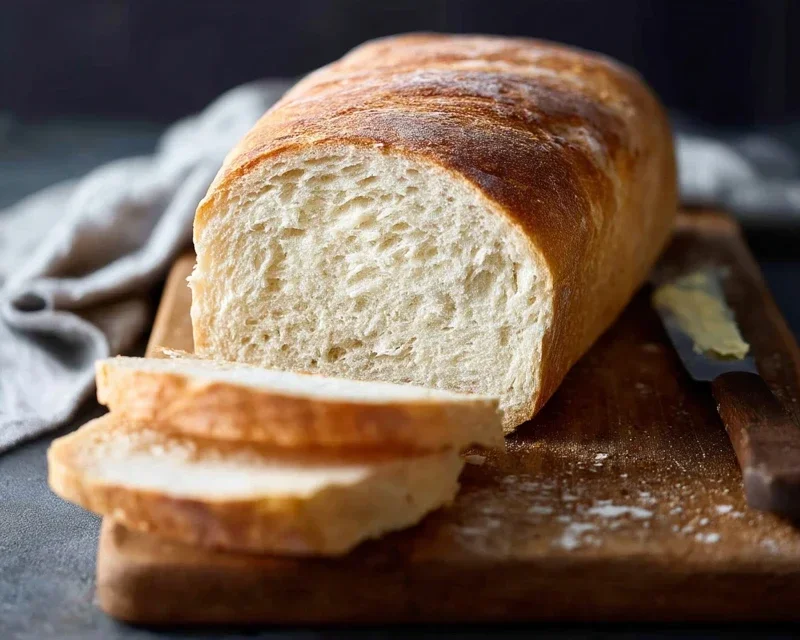
There you have it! A journey into the wonderfully rewarding world of homemade bread. I hope this recipe has demystified the process and inspired you to get your hands floury. The satisfaction of pulling a warm, crusty loaf from your oven, filling your kitchen with that incredible aroma, is truly unparalleled. This recipe is fantastic because it’s approachable for begin extractners yet yields results that will impress even seasoned bakers. The simple ingredients come together to create a tender crum extractb and a delightful crust, making it perfect for any occasion.
Imagin extracte slicing into your freshly baked masterpiece and enjoying it with a generous slather of butter, alongside a hearty soup, or as the foundation for your favorite sandwich. The possibilities are endless! Don’t be afraid to experiment with variations either. Try adding a handful of herbs, some garlic powder, or even a sprinkle of seeds to the dough for a personalized touch. The key is to embrace the process and have fun with it. So go ahead, preheat your oven, gather your ingredients, and embark on your own homemade bread adventure. You won’t regret it!
Frequently Asked Questions:
Why didn’t my bread rise?
Several factors can contribute to a flat loaf. Ensure your yeast was active before starting (you can test it by dissolving it in warm water with a pinch of sugar; it should become foamy). Make sure your dough was allowed to rise in a warm, draft-free environment. Overworking the dough or using too much salt can also inhibit rising. Don’t be discouraged; troubleshooting is part of the baking journey!
Can I make this bread ahead of time?
Absolutely! Once cooled completely, your homemade bread can be stored at room temperature in an airtight bag or bread box for 2-3 days. For longer storage, it freezes beautifully. Wrap it tightly in plastic wrap, then in foil, and it will keep for up to 3 months. Thaw at room temperature or toast slices directly from frozen.
Homemade Bread
A simple and delicious recipe for homemade white bread, perfect for sandwiches or as a side.
Ingredients
-
2 cups warm water (105-115 degrees Fahrenheit)
-
1 Tablespoon active dry yeast
-
1/4 cup honey
-
2 teaspoons salt
-
2 Tablespoons canola oil
-
4 – 5 1/2 cups all-purpose flour
Instructions
-
Step 1
In a large bowl, combine the warm water, yeast, and honey. Let it sit for 5-10 minutes until foamy. -
Step 2
Stir in the salt and oil. -
Step 3
Gradually add the flour, starting with 4 cups, mixing until a shaggy dough forms. If the dough is too sticky, add more flour, 1/4 cup at a time. -
Step 4
Turn the dough out onto a lightly floured surface and knead for 8-10 minutes until smooth and elastic. -
Step 5
Place the dough in a greased bowl, cover, and let it rise in a warm place for 1-1.5 hours, or until doubled in size. -
Step 6
Punch down the dough, shape it into a loaf, and place it in a greased 9×5 inch loaf pan. Cover and let it rise again for 30-45 minutes. -
Step 7
Bake in a preheated oven at 375 degrees Fahrenheit (190 degrees Celsius) for 30-35 minutes, or until golden brown and the internal temperature reaches 190-200 degrees Fahrenheit. -
Step 8
Let the bread cool in the pan for a few minutes before transferring it to a wire rack to cool completely.
Important Information
Nutrition Facts (Per Serving)
It is important to consider this information as approximate and not to use it as definitive health advice.
Allergy Information
Please check ingredients for potential allergens and consult a health professional if in doubt.