Perfect Ramen Eggs Ajitama Recipe Flavorful & Easy
Ramen eggs, also known as ajitama, are more than just a topping; they’re a revelation. These perfectly marinated, jammy-yolked wonders are the heart and soul of a truly exceptional bowl of ramen, elevating it from delicious to downright divine. I absolutely adore them because they offer this incredible burst of savory, umami-rich flavor and a luscious, almost custard-like texture that melts in your mouth. What makes these ramen eggs so special is the magical transformation that happens during the marination process. Simple ingredients like soy sauce, non-alcoholic mirin, and non-alcoholic sake work their alchemy, infusing the egg with layers of complex taste that are utterly addictive. They are the crowning glory, the perfect punctuation mark to every slurp. Once you’ve mastered the art of making your own ajitama, you’ll find yourself reaching for them not just for ramen, but for salads, rice bowls, or even as a snack on their own. Prepare to be hooked!
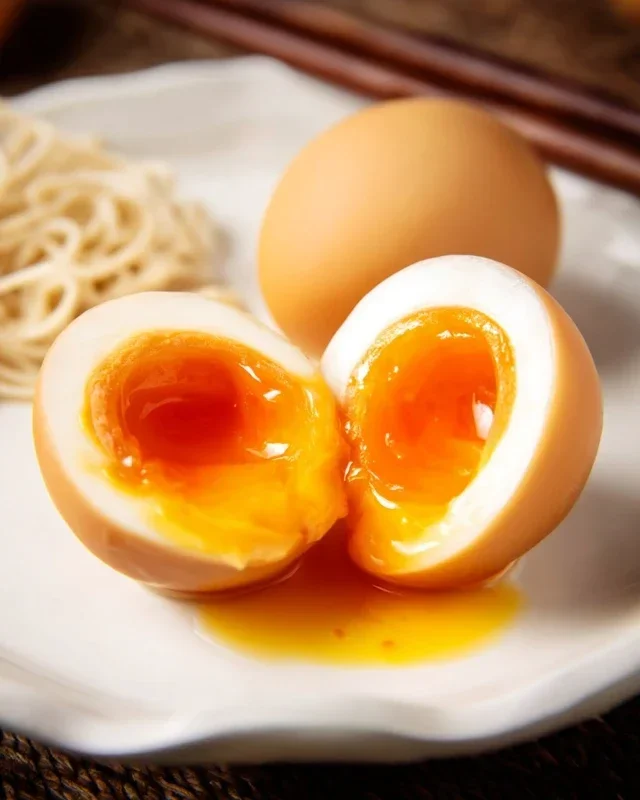
Ramen Eggs (Ajitama)
There’s something incredibly satisfying about a perfectly cooked ramen egg, often referred to as ‘ajitama’. That rich, custardy yolk, infused with a savory and slightly sweet marinade, is the crowning glory of any bowl of ramen. While they might seem intimidating to master, I’m here to tell you that making your own ajitama at home is surprisingly simple and incredibly rewarding. It’s a fantastic way to elevate not just your ramen, but also a variety of other dishes, from avocado toast to simple rice bowls. The key is a gentle cooking process for the eggs and a flavorful marinade that does all the heavy lifting. Forget about those expensive store-bought versions; once you try these, you’ll be making them on repeat.
Ingredients:
Cooking Instructions:
Let’s get started on crafting these delicious ramen eggs! The process is divided into two main stages: perfectly boiling the eggs and then marinating them to perfection.
Stage 1: Boiling the Eggs
The secret to a beautiful ajitama lies in achieving that perfect soft-boiled texture for the egg. We’re aiming for a yolk that’s jammy and custardy, not completely runny, and certainly not hard-boiled.
Prepare your boiling water. You’ll want a pot large enough to comfortably hold your eggs without them bumping into each other too much. Bring the water to a rolling boil over medium-high heat. If you’re using vinegar (and I highly recommend it!), add a splash, about a tablespoon, to the boiling water. The vinegar helps to slightly coagulate the egg white if the shell cracks, preventing too much leakage and making them easier to peel later. Some people swear by bringin extractg the water to a boil and then carefully lowering the eggs in, while others prefer to start the eggs in cold water and bring them up to a boil. Both methods can yield great results, but for a consistent result, I find bringin extractg the water to a boil first and then adding the eggs works best for controlling the cooking time precisely.
Carefully add the eggs to the boiling water. Use a slotted spoon or a spider strainer to gently lower each egg into the water. This prevents them from cracking upon impact. Once all the eggs are in, start your timer immediately. For that perfect jammy yolk, aim for 6 minutes and 30 seconds. This time is crucial. If you prefer a slightly firmer yolk, you can go up to 7 minutes, but any longer risks a fully cooked yolk. Immediately after adding the eggs, reduce the heat slightly to maintain a gentle, rolling boil – you don’t want them to furiously bounce around, which can cause cracking.
Prepare an ice bath. While the eggs are boiling, fill a large bowl with cold water and plenty of ice cubes. This ice bath is essential for stopping the cooking process immediately. As soon as your timer goes off, use your slotted spoon to swiftly transfer the boiled eggs from the hot water into the ice bath. Let them sit in the ice bath for at least 10-15 minutes. This rapid cooling is key to preventing overcooking and also helps immensely with the peeling process. The drastic temperature change causes the egg to contract slightly, separating it from the shell.
Stage 2: Marinating the Eggs
Once your eggs are beautifully cooked and cooled, it’s time to infuse them with that signature ajitama flavor. This marinade is simple but incredibly effective.
-
6 large eggs
-
1/2 cup light sodium soy sauce
-
1/4 cup water
-
1/4 cup non-alcoholic mirin
-
2 tablespoons granulated sugar
-
1 teaspoon vinegar (optional for boiling eggs)
-
Step 1
Bring a pot of water to a boil. If using vinegar, add it to the boiling water. -
Step 2
Gently lower the eggs into the boiling water using a slotted spoon. Cook for 6 to 7 minutes for a soft, jammy yolk. -
Step 3
Prepare an ice bath. Once cooked, immediately transfer the eggs to the ice bath to stop the cooking process. -
Step 4
While the eggs cool, prepare the marinade. In a small bowl, whisk together soy sauce, water, non-alcoholic mirin, and granulated sugar until the sugar is dissolved. -
Step 5
Carefully peel the cooled eggs. -
Step 6
Place the peeled eggs in a resealable bag or a container. Pour the marinade over the eggs, ensuring they are fully submerged. Marinate in the refrigerator for at least 12 hours, or up to 24 hours for a more intense flavor. -
Step 7
Remove eggs from marinade, slice in half, and serve immediately on ramen or as a snack.
Prepare the marinade. In a small saucepan or directly in a resealable bag or container, combine the soy sauce, water, non-non-non-alcoholic alternativeic non-alcoholic mirin, and granulated sugar. If you’re using a saucepan, heat the mixture over medium-low heat, stirring gently, until the sugar has completely dissolved. Do not boil the marinade; we just want to incorporate the ingredients. Once the sugar is dissolved, remove it from the heat and let it cool slightly. If you’re using a resealable bag, you can simply whisk all the ingredients together until the sugar is dissolved. Ensure the marinade is at room temperature or slightly warm before adding the eggs.
Peel and marinate the eggs. Once the eggs have been thoroughly chilled in the ice bath, carefully remove them and peel them under cool running water or submerged in a bowl of water. The cold and the ice bath should have made this process much easier, but a little patience is still key. Try to peel them as gently as possible to avoid nicking the whites. Once peeled, place the eggs in a single layer into a resealable bag or a container that’s just large enough to hold them. Pour the cooled marinade over the eggs, ensuring they are completely submerged. If you’re using a bag, gently squeeze out any excess air before sealing it. Place the bag or container in the refrigerator.
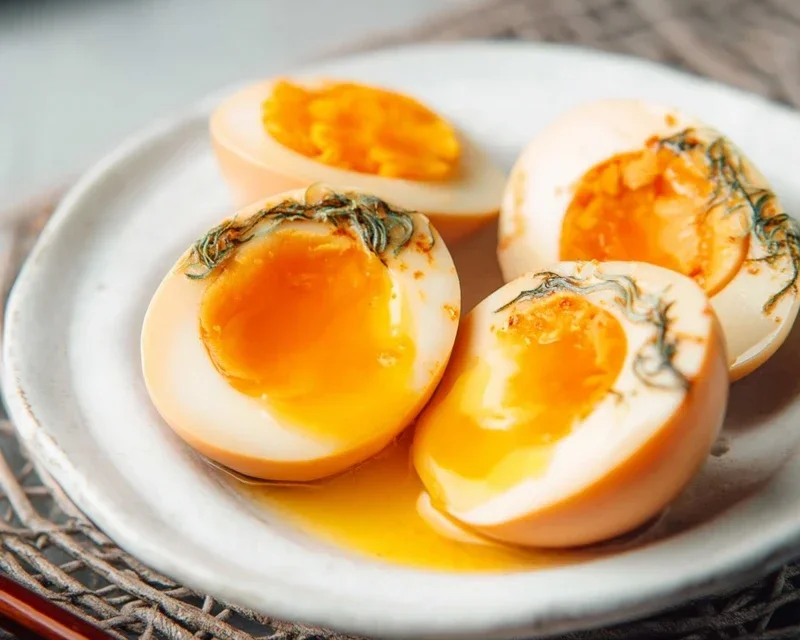
Marinate and serve. The longer the eggs marinate, the deeper the flavor will penetrate. I recommend marinating them for at least 6 hours, but for the best results, let them marinate for 12-24 hours. You can even marinate them for up to 3 days, though the texture might start to change slightly after that. Flip the eggs occasionally during the marinating process to ensure even color and flavor absorption. When you’re ready to enjoy them, simply slice them in half lengthwise with a sharp knife and add them to your favorite ramen, or use them as a delicious topping for other dishes. The beautiful golden yolk and the savory, slightly sweet flavor will truly transform your meal.
*Note on Eggs: Using eggs that are a few days old rather than absolutely fresh can make them easier to peel. The slight agin extractg allows the membrane to pull away from the shell more readily.
Conclusion:
You’ve mastered the art of making ramen eggs, or ajitama! This simple yet transformative recipe is truly a game-changer for any noodle dish. The magic lies in the perfectly jammy yolk and the savory, umami-rich marinade that infuses the egg with incredible flavor. They’re incredibly versatile, elevating not just ramen but also donburi bowls, fried rice, or even just enjoyed as a delightful snack.
Feel free to experiment with your marinade! A splash of non-alcoholic mirin for sweetness, a bit of non-alcoholic sake for depth, or even some chili flakes for a kick can create your own signature ramen eggs. Don’t be afraid to play with the marinating time; a shorter soak yields a milder flavor, while a longer one intensifies it. I truly encourage you to give this recipe a try. It’s surprisingly easy and the results are so rewarding. You’ll wonder how you ever enjoyed ramen without them!
Frequently Asked Questions:
Can I make ramen eggs ahead of time?
Absolutely! Ramen eggs are perfect for meal prep. They can be stored in the marinade in an airtight container in the refrigerator for up to 3-4 days. The flavor will continue to deepen over time, which is often a good thing!
What is the best way to peel ramen eggs?
The key to easy peeling is to use eggs that are a few days old (not super fresh) and to plunge them into an ice bath immediately after boiling. This helps the membrane separate from the egg white. Gently tap the egg all around on a hard surface before rolling it between your hands to loosen the shell.
What if I don’t have soy sauce? Can I substitute something else?
While soy sauce is the traditional base for ajitama marinade, you can experiment. Tamari is a great gluten-free alternative. If you’re looking for something different, a mixture of Worcestershire sauce and a touch of honey could be an interesting, albeit non-traditional, option. However, for the classic ramen egg flavor, soy sauce is definitely recommended.
Ramen Eggs (Ajitama)
Marinated soft-boiled eggs, a classic topping for ramen. These flavorful eggs are a perfect addition to any noodle soup.
Ingredients
Instructions
Important Information
Nutrition Facts (Per Serving)
It is important to consider this information as approximate and not to use it as definitive health advice.
Allergy Information
Please check ingredients for potential allergens and consult a health professional if in doubt.